
2026 Grant Recipients & Filmmaker Bios
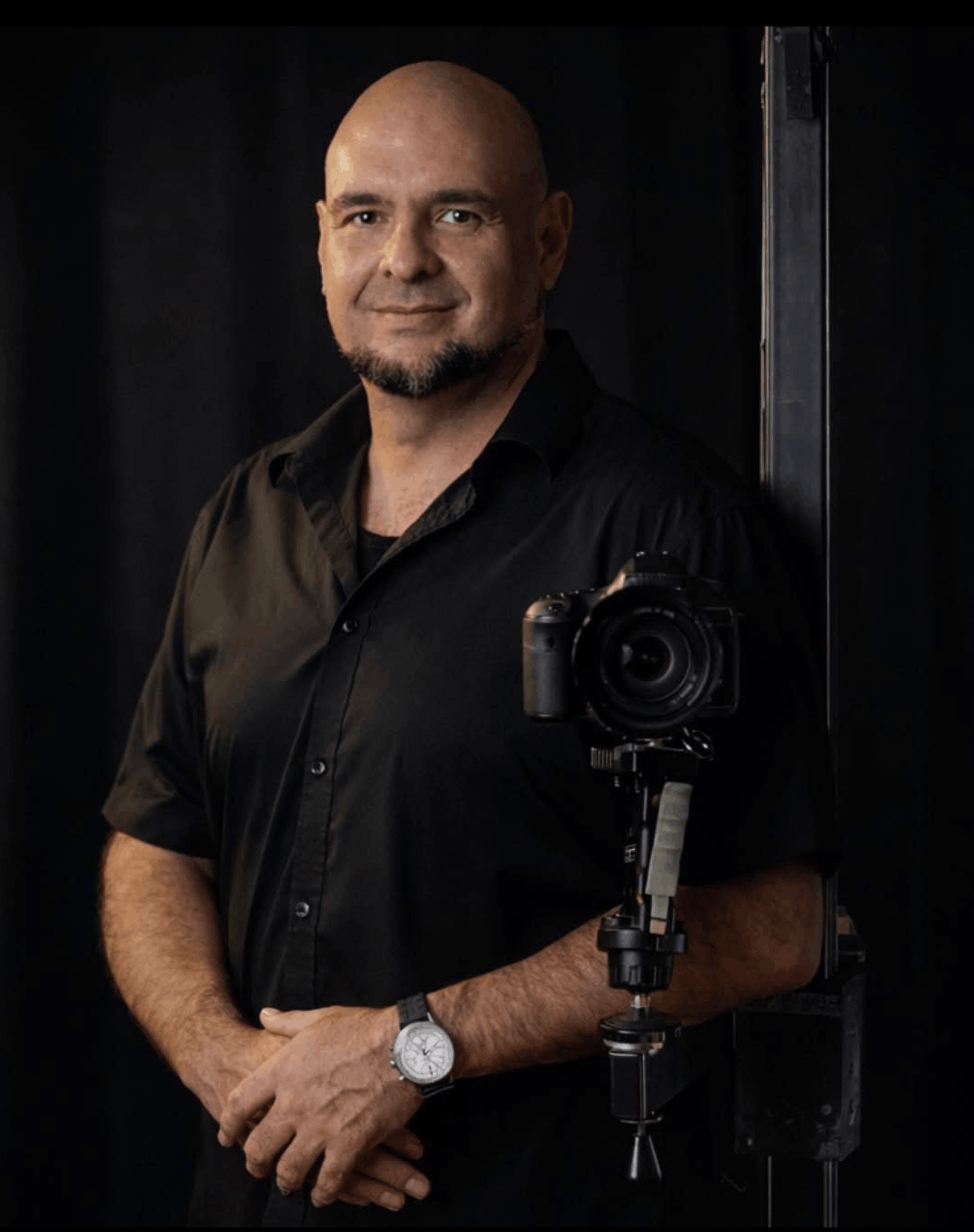
Anton Sage
Film Title: The longest Wait: New Mexico’s Healthcare Shortage
The longest Wait is an original short documentary produced by Anton Sage Studios LLC and directed and produced by Anton Sage. The film examines the healthcare professional shortage in New Mexico through the lived experiences of those most affected: patients, frontline providers, and community advocates. Rather than focusing solely on statistics, the documentary centers human stories that expose how workforce shortages ripple through families, rural towns, Tribal and border communities, and urban safety-net clinics.
-
Anton is a New Mexico–based filmmaker and producer with over a decade of experience in documentary storytelling. He has been creating documentary work since 2012, producing short-form documentaries and community-focused films for local institutions, nonprofits, and cultural organizations. His work has included projects for the Rotary Club of Santa Fe Centro, the Rotary Club of Albuquerque, Humans of New Mexico, New Mexico Young Actors, and other community-driven initiatives, often centered on social issues, arts, and human stories. Through Anton Sage Studios, he has directed and produced award-recognized documentaries, music videos, and artist profiles, managing projects from concept through post-production. Anton holds a BA in Humanities and is currently completing a BFA in Cinematic Arts at the University of New Mexico, with additional training in American Culture and Dramatic Arts. His background combines formal education, teaching experience, and hands-on production, positioning him as an emerging documentary filmmaker deeply rooted in New Mexico’s creative and civic landscape.
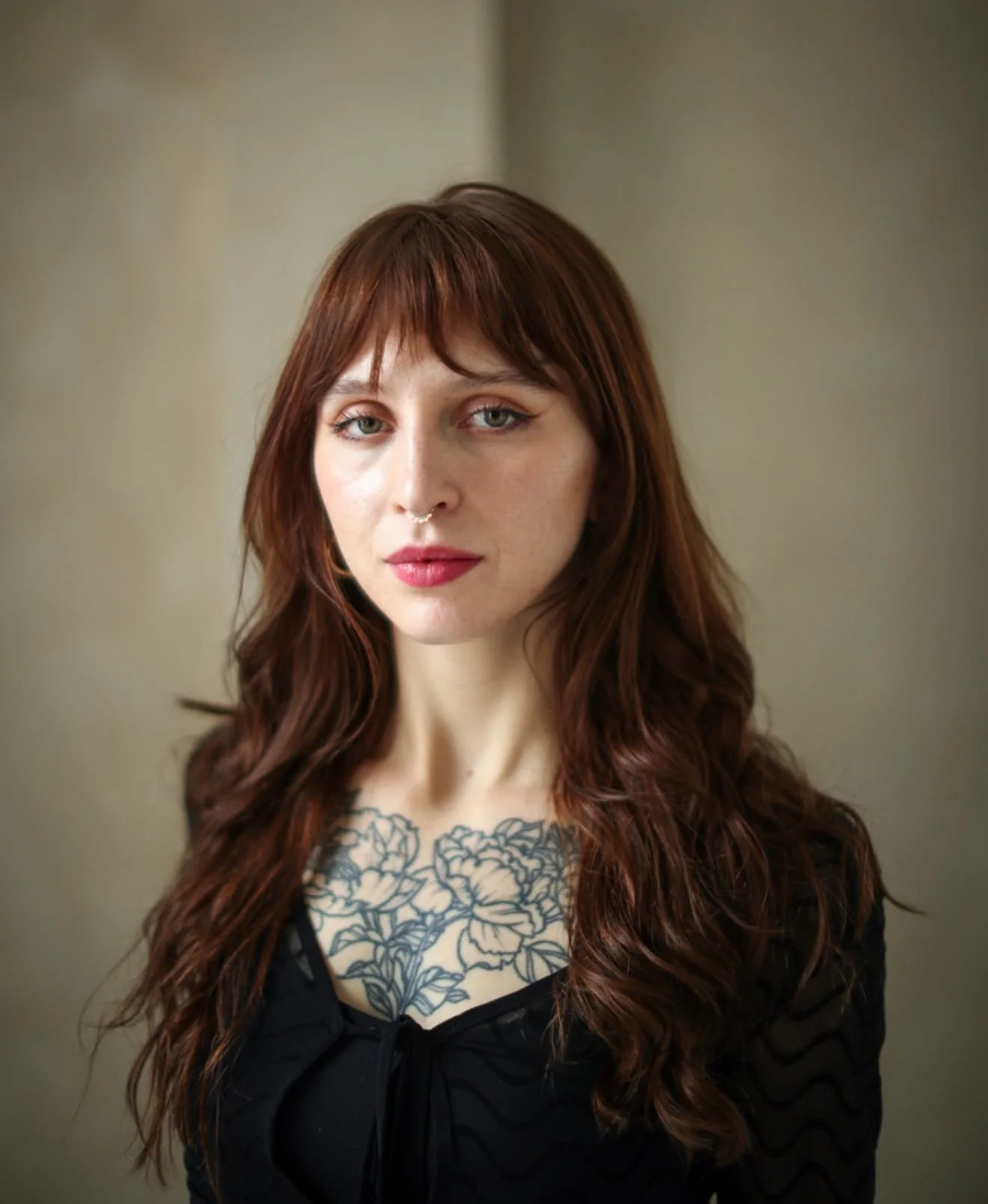
Cesca-Maria Segarra
Film Title: Pill
Pill is a short-form observational documentary examining the intersection of fentanyl use and housing instability in Albuquerque, New Mexico. Through intimate portraits of individuals living this reality alongside the voices of harm-reduction workers, mutual-aid volunteers, and local creatives, the film shifts the narrative away from criminalization and toward humanity, care, and systemic complexity. Blending vérité footage, environmental soundscapes, and moments of artistic expression, the film asks what it means to remain alive—and visible—in a city grappling with overlapping public health and housing crises.
-
Cesca-Maria is a filmmaker and educator based in Albuquerque, New Mexico, who earned a Bachelor of Fine Arts in Film & Digital Media from the University of New Mexico in 2022. As founder and director of Casa del Creativo, she writes, directs, and produces short films and music videos while leading collaborative production teams and managing projects from concept through post-production. Her work has been recognized with honors including a Cherry Reel Film Festival Best Documentary Award and a Southwest Film Center Screenwriting Award, and she has contributed to broadcast and studio productions through roles with PBS affiliates and independent film projects. Alongside her filmmaking practice, Segarra develops and leads hands-on film education programs for youth across Albuquerque, guiding students in creating original media and using storytelling as a tool for creative expression and community engagement.
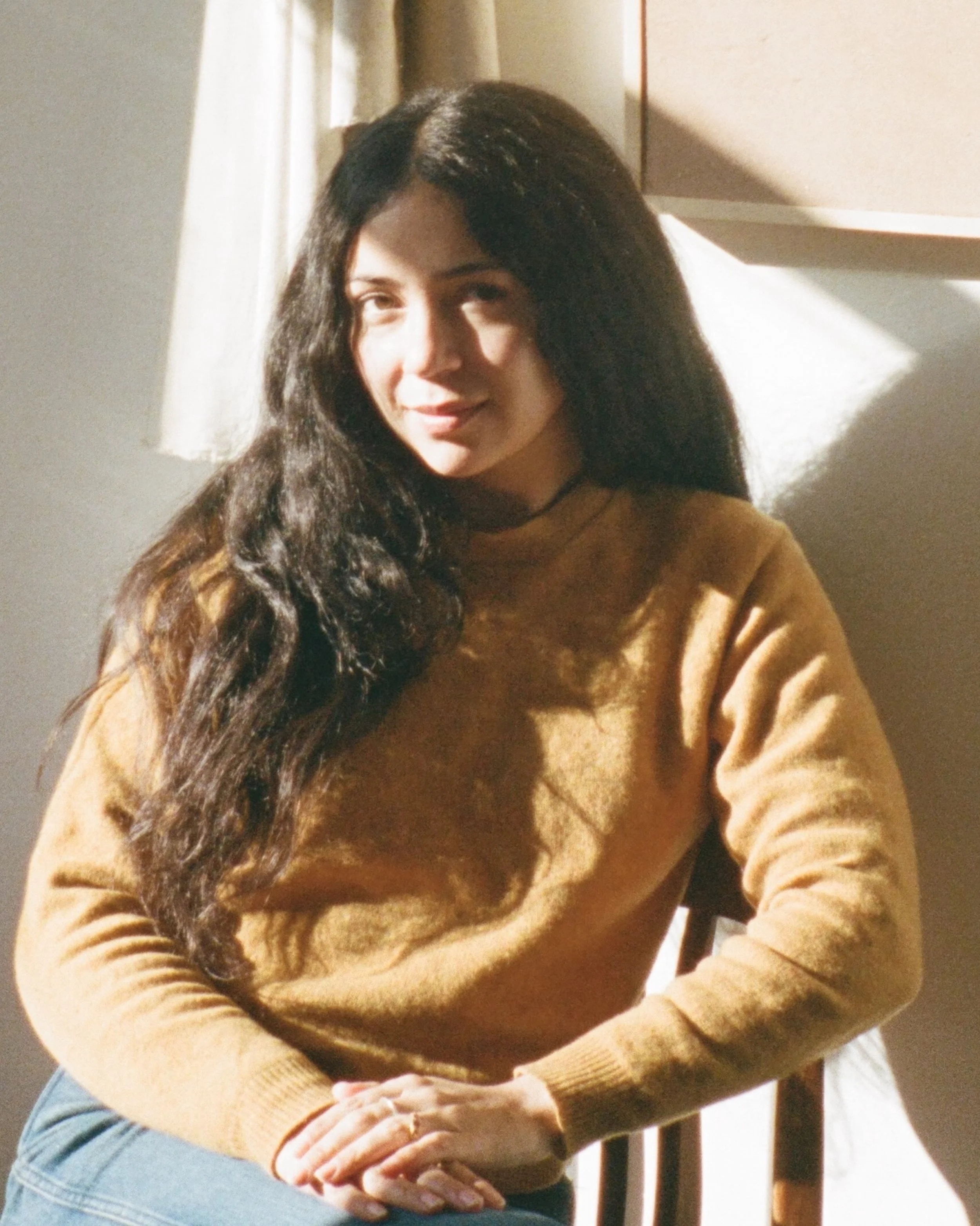
Joanna Keane Lopez
Film Title: A Raven Croaked Like a Witch from a Dead Pine
A Raven Croaked like a Witch from a Dead Pine is a short film that examines the intersections of adobe, land, ranching culture, and military occupation in New Mexico. Footage spans cattle ranches located within and adjacent to White Sands Missile Range and the downwinder communities of Carrizozo, San Antonio, and Tularosa. These landscapes are interwoven with oral histories from the filmmaker’s family—multigenerational ranchers in the Tularosa Basin—alongside archival material and declassified ballistics imagery. Stories of encounters with cougars, wailing ghosts in the night, cadavers found in arroyos, long-lost rifles unearthed from the sand, satanists in the bosque, and the mysterious orbs of light known for generations as La Luz del Llano circulate throughout the film. Together, these narratives reflect what material culture scholars describe as vernacular epistemologies: ways of knowing shaped through embodied labor, environmental memory, and long-term habitation. A Raven Croaked like a Witch from a Dead Pine traces the lived experience of a landscape where ranching, myth, and memory coexist with the ongoing presence of military occupation. The title is drawn from Edward Abbey’s novel, Fire on The Mountain.
-
Joanna is an interdisciplinary artist whose work examines land, vernacular architecture, and militarized landscapes of the American West, and who has recently integrated film as a central element of her practice. Working across installation, archival research, earthen building, and moving image, she uses film to expand her material investigations of place into narrative form.
Her moving image works have been institutionally exhibited, including SF-88 Nike Missile Site (CA) // Red Canyon Range Camp (NM) (Headlands Center for the Arts, 2025), a two-channel video installation exploring Cold War ballistic testing networks between the Marin Headlands and White Sands Missile Range, and Roadtrip Adobe Theatre of the Bay Area (San José Museum of Art, 2025–26), an 18-minute film projected onto hand-cast adobe panels tracing adobe architectural histories along the California coast.
Her current projects further deepen this integration of film and land-based research, expanding her practice into sustained cinematic inquiry. She received her MFA in Art Practice from Stanford University (2024) and her BFA, summa cum laude, from the University of New Mexico (2016), and participated in Land Arts of the American West (2015).
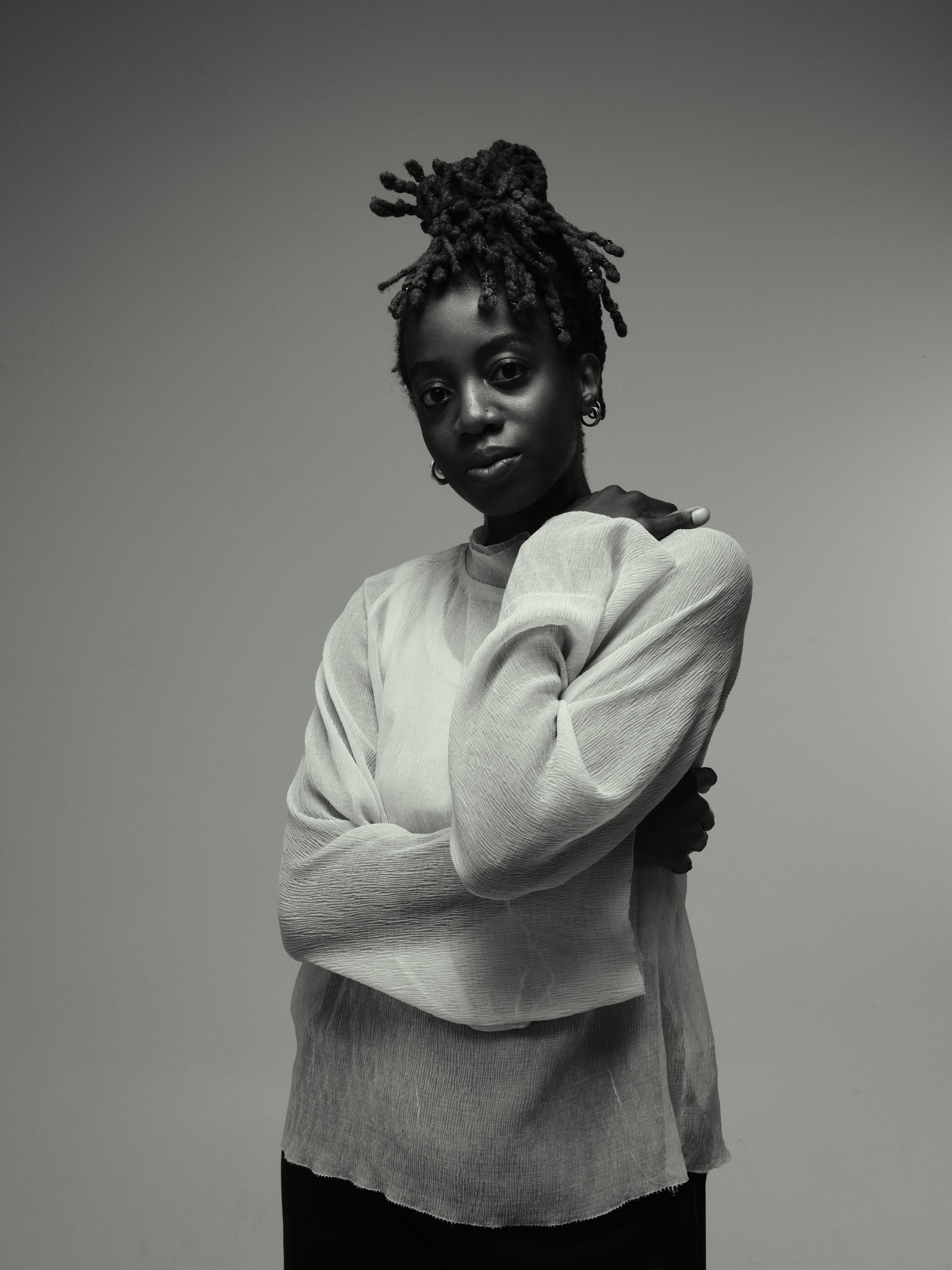
kelechi agwuncha
Film Title: breath to breath
breath to breath follows Phoenix Savage, a 62-year-old New Mexico based Black queer artist, doula, yogi, and Yoruba/Ifa devotee of Osara, a water deity venerated as a mother figure. Across her life, she moves between ceremony, art-making, and community-based teaching, building practices that respond directly to mothers and women navigating survival.
After returning to New Mexico following over 20 years away, Phoenix founded the Yoga in Prison Project (2023–25) at the Springer Correctional Women’s Facility, drawing on her lived experience of having family members incarcerated and her spiritual practice, which integrates daily ancestor shrine devotion, prayer, and reverence for Osara. In the film, we follow Phoenix as she guides the program, leading participants through a practice that combines trauma-informed yoga, mindfulness, and meditation. Beyond the prison walls, breath to breath follows recently released participants Lyndale Bedah and Allaya “Yaya” Gibbs as they continue their yoga teacher training in Farmington and Albuquerque. Through certification, they bring the practice to their own communities.
-
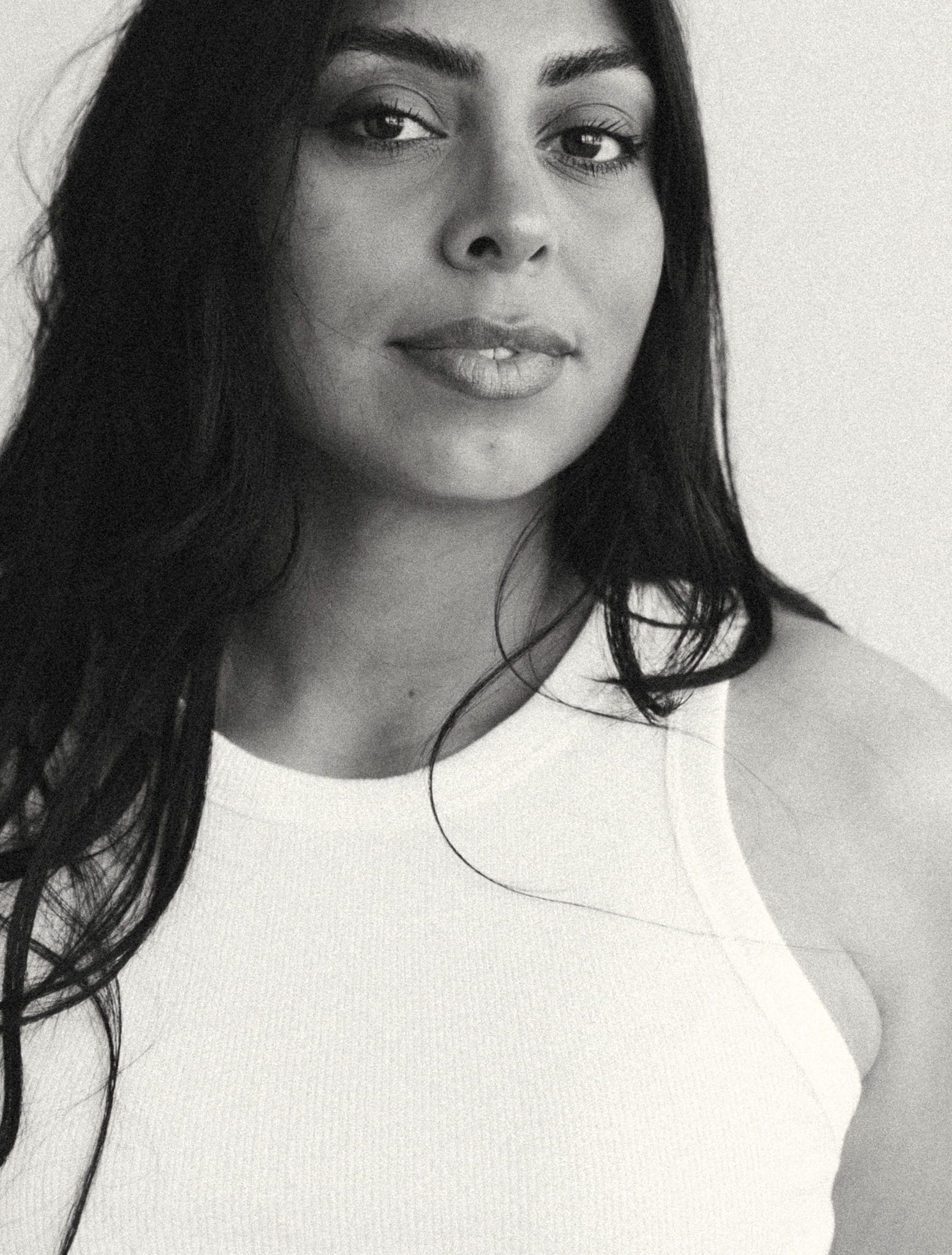
kelechi is an Igbo-American filmmaker and video artist who reanimates archival material through documentary, sound art, and installation, using percussive force as a connective thread. A former athlete, they draw on athletic gesture and spatiality as rehearsals of play, attending to the theatrics and embodied endurance of performance. Their work centers slowness, embodiment, and Black and Nigerian-Igbo ritual traditions, engaging these lineages as sensory practices. Their films and installations have been exhibited at Black International Cinema Berlin, MoMA PS1, Black Harvest Film Festival, and the Chicago Architecture Biennial, among others. They hold an MFA in Visual Arts from the University of California, San Diego, and studied with the Isaac Julien Lab at the University of California, Santa Cruz. Kelechi is a 2025–26 Sister in Cinema Fellow, a 516 Fulcrum Fund recipient, and a Bryan Konefsky Fund recipient.
Leandra Romero
Film Title: The Weight of Water
This 20-minute documentary follows Donovan, a former Navy SEAL who now works as a photojournalist for the Navajo Times, as he reports on the ongoing water crisis across the Navajo Nation, where many families still live without running water. After years of serving overseas, Donovan has returned home to serve in a different way, using his camera to document the realities facing his own community. His work is shaped not only by his military background, but by the personal grief of losing his sister and niece to violence, a loss that deepens his sense of responsibility to witness and protect. Through an intimate, character-driven lens, the film explores water, service, and resilience, asking what it means to be a warrior for your own people.
-
Leandra is an Albuquerque based filmmaker and former broadcast journalist whose work centers on culturally significant storytelling, social impact, and elevating underrepresented voices. She earned her BFA from Chapman University before beginning her career at ABC News in Southern California, where she produced and reported for evening broadcasts, building a strong foundation in investigative and editorial storytelling. In 2020, she transitioned into independent film as a co-producer on the feature Paydirt, starring Val Kilmer, expanding her experience in narrative production. Since returning to New Mexico, Romero has directed commercial campaigns, including work for New Mexico United, while also creating short-form documentary projects for nonprofits and culturally underrepresented communities, including youth-centered storytelling with Girls Inc. of Santa Fe, international fashion and identity work such as Kasi Vogue, and collaborations with Indigenous leaders through the Indigenous Medicine Conservation Fund. Her documentary practice brings together journalistic integrity, cinematic craft, and ethical collaboration to create regionally rooted stories with meaningful cultural impact.
Makayla Yazzie
Film Title: Between Home and College: Navajo Student Stories
This 15–20 minute short documentary follows Navajo college students as they navigate the ups and downs of higher education while maintaining cultural connections. Participants self-record with phones and contribute guided interviews, capturing authentic reflections and daily experiences. The project prioritizes student engagement, ethical storytelling, and creating a platform for dialogue within the Native college student community.
-
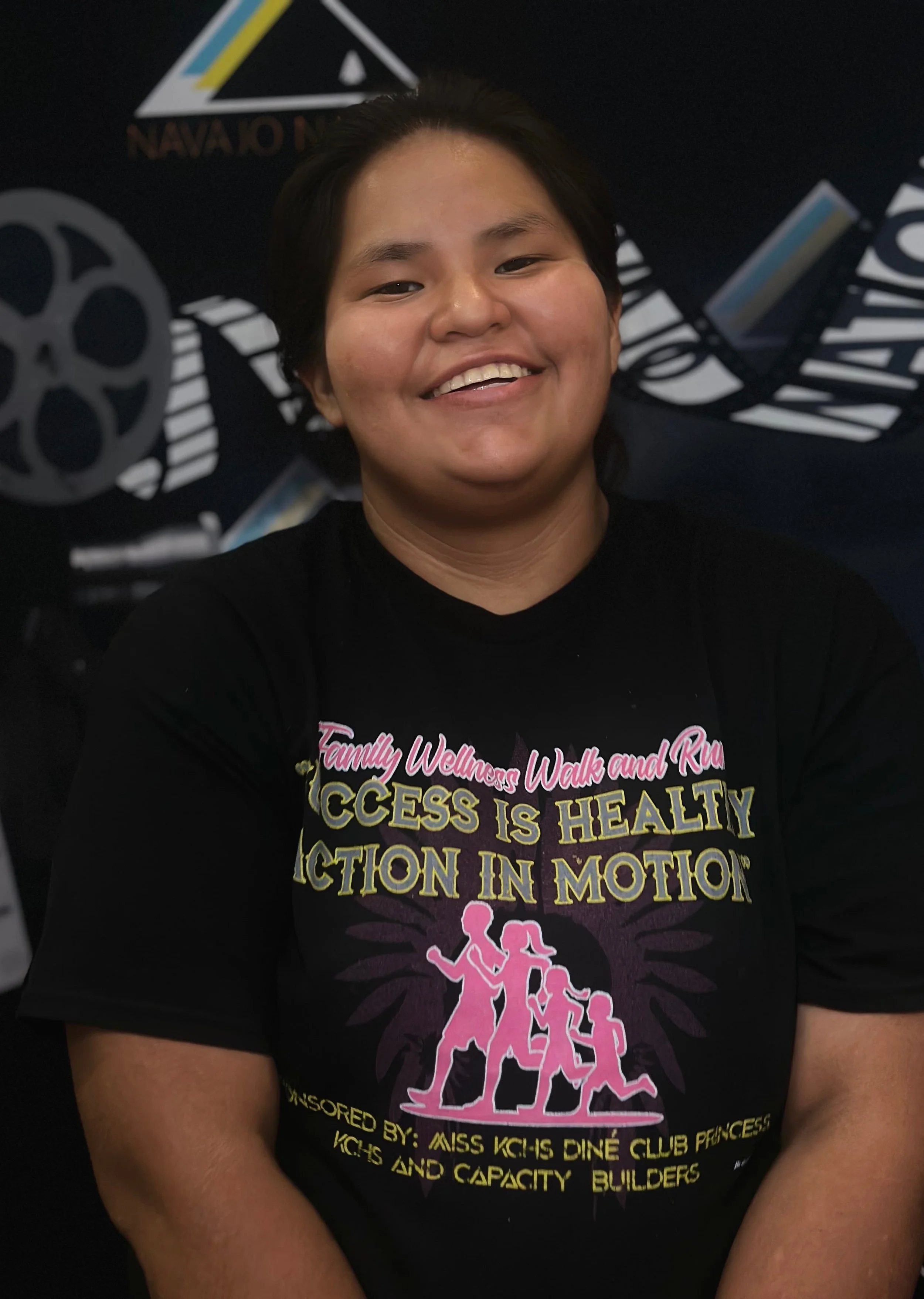
Makayla is an award-winning student filmmaker and multimedia artist currently enrolled at San Juan College. They have hands-on experience producing, directing, and editing documentary projects, as well as prior experience with grant applications and project management. Their work focuses on culturally-driven storytelling, community engagement, and empowering underrepresented voices through visual media.
R.J. Torres
Film Title: 1980 New Mexico State Penitentiary Riot - Roger Morris (The Devils Butcher Shop)
This documentary is about the New Mexico State penitentiary riot, which took place on February 2nd, 1980, in Santa Fe, New Mexico. Thirty-three inmates lost their lives and hundreds were injured. This riot stemmed from the constant neglect by the department of corrections and the government. Conditions were inhumane and the prison was overcrowded. Prisoner Dwight Duran took action against the poor conditions in the penitentiary. Duran would file and found the Duran Consent Decree against the state in 1977. The decree asked for better conditions at the penitentiary. He warned the state that there would be trouble in the future if the conditions were not improved. Duran was ignored, and now here I am, making a documentary about the most gruesome, yet political prison riot in American history. The Duran Consent Decree was not settled until 2020 and some would say that reform never came to the Old Santa Fe Penitentiary. I will tell the full story of this piece of New Mexican history, from before, to during, to after the riot.
-
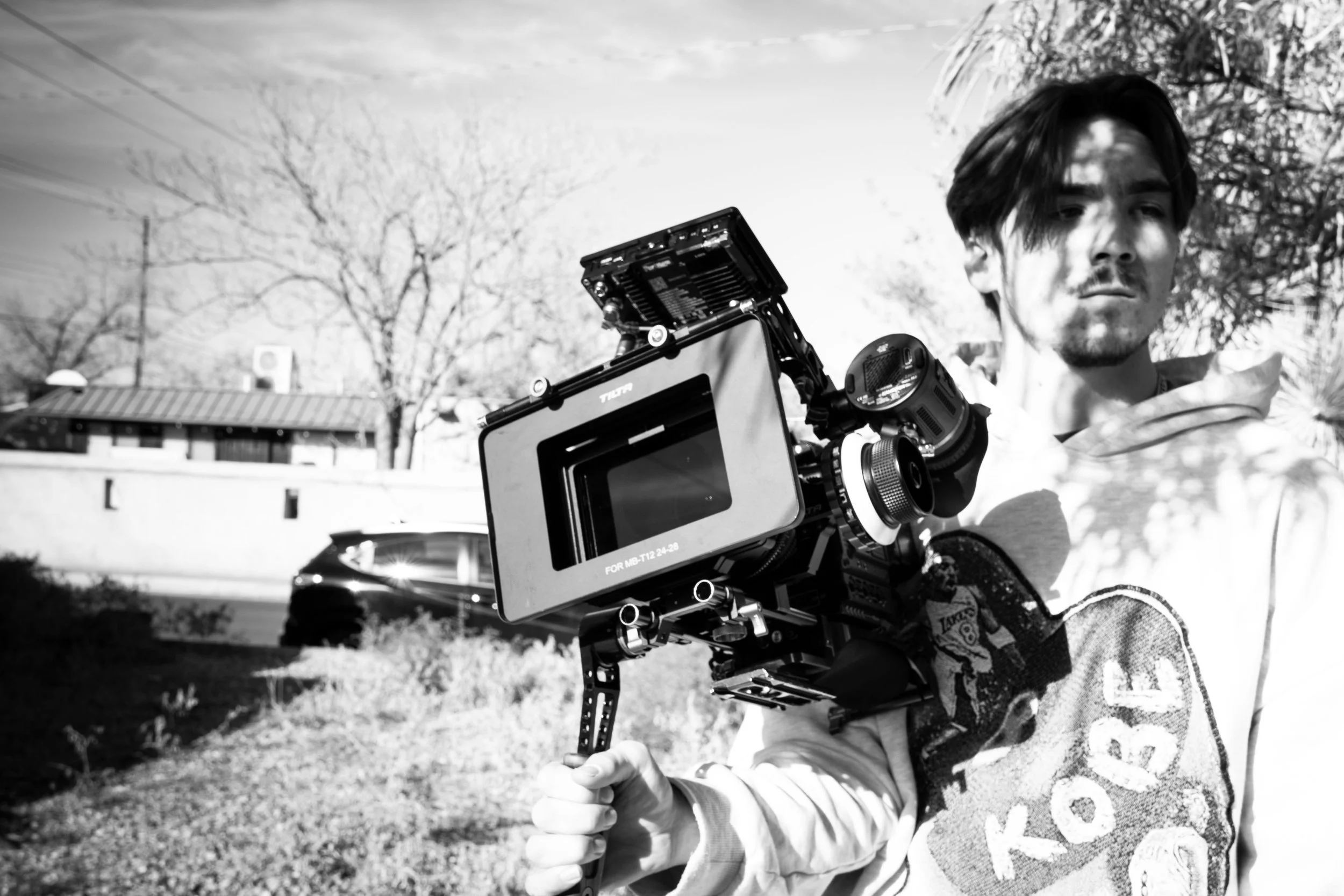
R.J. graduated from Sandia High School in 2020 amidst the COVID-19 pandemic and had dreams of becoming a filmmaker since he was a kid. He decided to go to film school and enrolled in CNM's film program in 2021. At CNM he learned the fundamentals of filmmaking through production classes and short films. After four semesters at CNM, R.J. decided he wanted to further his education. In 2022, R.J. enrolled at the University of New Mexico and began their film program. He would spend the next three years learning theory and bettering his skills in filmmaking. He worked on many capstones and short films. R.J. would take classes in documentary filmmaking and would develop his own short documentaries. During his time at UNM, he got an internship at NMPBS, worked on documentaries, and short form projects over the course of 2 years. In spring of 2025, R.J. graduated with a Bachelor of Fine Arts in Film and Digital Media. He was then hired on full time at NMPBS and currently works there as a Production Tech 1.